Best Telephoto Lenses for Wildlife Photography in 2026
As an Amazon Associate, ExifGrabber earns from qualifying purchases.
Why Your Lens Choice Matters More Than Your Camera Body
Ask any experienced wildlife photographer what gear matters most, and they will almost always say the lens. Camera bodies come and go every couple of years, but a quality telephoto lens can last a decade or more and makes a far bigger difference to image quality than an extra few megapixels or a slightly faster processor.
Wildlife subjects are skittish, dangerous, or both. You rarely get to walk up and frame the perfect composition from arm's length. That is why telephoto and super-telephoto lenses, typically in the 400mm to 800mm range, are the foundation of every wildlife kit. The right lens gives you the reach to photograph a raptor in flight, a leopard in a tree, or a songbird on a distant branch without disturbing your subject.
In 2026, the options across Canon RF, Nikon Z, and Sony E mounts are better than ever, and strong third-party offerings from Sigma and Tamron mean you no longer need to spend five figures to get serious reach. The team at ExifGrabber tested and researched the top contenders to help you find the right telephoto for your wildlife work, whether you are shooting backyard birds or planning an African safari.

How to Choose a Wildlife Telephoto Lens
Before diving into specific recommendations, it helps to understand the key factors that separate a good wildlife lens from a great one.
Focal Length
Most wildlife photography happens between 400mm and 600mm. Anything shorter and you will struggle to fill the frame with distant animals. Going beyond 600mm gives you extra reach for small or skittish subjects like shorebirds and warblers, but the trade-offs in weight, size, and maximum aperture become significant.
For big mammals on safari, 200-400mm is often enough when animals are close to the vehicle. For birds in flight, 500-600mm is the sweet spot. And for backyard feeder setups or small subjects, 600-800mm gives you the extra magnification you need.
Maximum Aperture
A wider maximum aperture (lower f-number) lets in more light, which means faster shutter speeds and better autofocus performance in dim conditions like dawn, dusk, and dense forest. The trade-off is that wider-aperture telephotos are dramatically heavier and more expensive.
Pro-grade f/2.8 and f/4 super-telephotos cost $6,000 to $13,000 and weigh 3 to 6 kg. The consumer-grade f/5.6 to f/6.3 zoom telephotos cost $1,000 to $2,200 and weigh 1.5 to 2.5 kg. For most wildlife photographers, the consumer-grade zooms deliver outstanding results and are far more practical to carry in the field.
Autofocus Speed and Accuracy
Wildlife moves fast. A bird of prey can cross your frame in under a second. Your lens needs to keep up. Native lenses (made by the same brand as your camera body) typically have the best AF integration, but third-party lenses from Sigma and Tamron have closed the gap significantly in the mirrorless era.
Image Stabilization
Longer focal lengths amplify camera shake. Built-in optical stabilization (IS, VR, or OSS depending on the brand) is essential for handheld shooting. Look for 5 or more stops of stabilization, and check that the lens stabilization works cooperatively with your camera body's IBIS system.
Internal vs. External Zoom
Internal zoom designs keep the lens barrel at a constant length regardless of zoom position. This is better for balance on a gimbal head, keeps dust out, and maintains weather sealing. External zoom designs extend when zooming, which can shift the center of gravity and potentially admit dust.
Best Overall: Sony FE 200-600mm f/5.6-6.3 G OSS
The Sony FE 200-600mm f/5.6-6.3 G OSS remains one of the most popular wildlife lenses on the market, and for good reason. At roughly $2,000, it delivers a versatile 200-600mm zoom range with consistent sharpness throughout, reliable autofocus that pairs beautifully with Sony's real-time animal eye tracking, and an internal zoom design that keeps the barrel length constant.
Key specs:
| Feature | Spec |
|---|---|
| Focal length | 200-600mm |
| Maximum aperture | f/5.6-6.3 |
| Weight | 2,115g (4.66 lbs) |
| Filter size | 95mm |
| Image stabilization | OSS (Optical SteadyShot) |
| Zoom type | Internal |
| Weather sealing | Yes |
| Price | ~$2,000 |
The internal zoom is a major advantage for wildlife. Whether you are panning with a bird in flight at 600mm or pulling back to 200mm for a wider environmental shot, the lens stays the same length. This makes it far easier to balance on a gimbal head and keeps the lens sealed against dust and moisture.
The Sony 200-600G also takes 1.4x and 2x teleconverters, extending your reach to 840mm or 1200mm respectively, though you lose a stop or two of light and some AF speed.
Who it is for: Sony shooters who want a single do-it-all wildlife zoom. Excellent for birds, mammals, and action.
Best Reach on a Budget: Canon RF 200-800mm f/6.3-9 IS USM
The Canon RF 200-800mm f/6.3-9 IS USM broke new ground when it launched with a 4x zoom range that stretches from 200mm all the way to 800mm. At around $1,900, it gives Canon shooters more reach per dollar than any other option.
Key specs:
| Feature | Spec |
|---|---|
| Focal length | 200-800mm |
| Maximum aperture | f/6.3-9 |
| Weight | 2,050g (4.52 lbs) |
| Filter size | 95mm |
| Image stabilization | 5.5-stop IS |
| Zoom type | External |
| Weather sealing | Yes (dust/moisture resistant) |
| Price | ~$1,900 |
The obvious trade-off is the maximum aperture. At 800mm the lens is f/9, which limits you to good daylight conditions. Dawn and dusk shooting will push your ISO uncomfortably high. But in good light, the sharpness is impressive, and 800mm of reach without a teleconverter is genuinely useful for small and distant subjects.
The external zoom design means the barrel extends significantly at 800mm, which can make gimbal balancing trickier. But at 2,050g, it is remarkably light for the reach it offers.
Who it is for: Canon shooters who prioritize reach over low-light performance. Outstanding for birding in daylight conditions.
Best Nikon Z Option: Nikon Z 180-600mm f/5.6-6.3 VR
The Nikon Z 180-600mm f/5.6-6.3 VR is Nikon's answer to the Sony 200-600G, and it matches up well. The extra reach on the wide end (180mm vs 200mm) is a small but welcome advantage when animals are closer than expected, while the 600mm long end provides plenty of reach for most wildlife scenarios.
Key specs:
| Feature | Spec |
|---|---|
| Focal length | 180-600mm |
| Maximum aperture | f/5.6-6.3 |
| Weight | 1,955g (4.31 lbs) |
| Filter size | 95mm |
| Image stabilization | VR (5.5-stop) |
| Zoom type | Internal |
| Weather sealing | Yes |
| Price | ~$1,700 |
At around $1,700, the Nikon 180-600 undercuts both the Sony and Canon equivalents while offering an internal zoom, strong VR, and excellent optical performance. Autofocus is fast and confident, especially on newer Nikon Z bodies with 3D tracking.
The lens is also compatible with Nikon's Z 1.4x and 2x teleconverters, pushing reach to 840mm or 1200mm when you need it.
Who it is for: Nikon Z shooters looking for the best all-around wildlife zoom. The best value in its class.
Best Budget Third-Party: Tamron 150-500mm f/5-6.7 Di III VC VXD
The Tamron 150-500mm f/5-6.7 Di III VC VXD is a compact powerhouse that punches well above its price point. Available in Sony E and Nikon Z mounts, it delivers 150-500mm of reach in a package that is noticeably smaller and lighter than the native alternatives.
At just 8.3 inches when retracted, this lens fits in a medium-sized hiking pack, something that is impossible with most 150-600mm alternatives. The VXD (Voice-coil eXtreme-torque Drive) autofocus motor is fast and tenacious, keeping up with erratic subjects like songbirds and dragonflies.
Key specs:
| Feature | Spec |
|---|---|
| Focal length | 150-500mm |
| Maximum aperture | f/5-6.7 |
| Weight | 1,725g (3.8 lbs) |
| Filter size | 82mm |
| Image stabilization | VC (Vibration Compensation) |
| Zoom type | External |
| Weather sealing | Yes (moisture resistant) |
| Price | ~$1,400 |
Image quality is strong throughout the range, with only minor softness at the 500mm extreme. The relatively compact 82mm filter thread also makes it more affordable to add circular polarizers and protective filters.
Who it is for: Hikers, travel wildlife shooters, and anyone who needs serious reach without a backbreaking lens.
Best Long-Range Third-Party: Sigma 150-600mm f/5-6.3 DG DN OS Sports
The Sigma 150-600mm f/5-6.3 DG DN OS Sports is the mirrorless redesign of Sigma's legendary 150-600mm Sport for DSLRs. It is built like a tank, with a magnesium alloy barrel, comprehensive weather sealing, and a rugged feel that inspires confidence in harsh conditions.
At 600mm and f/6.3, it delivers noticeably sharper images than the Canon RF 200-800 at the same focal length, thanks to the wider aperture and Sigma's refined optical formula. The OS (Optical Stabilizer) system works cooperatively with Sony and Nikon IBIS for up to 6+ stops of effective stabilization.
Key specs:
| Feature | Spec |
|---|---|
| Focal length | 150-600mm |
| Maximum aperture | f/5-6.3 |
| Weight | 2,100g (4.63 lbs) |
| Filter size | 95mm |
| Image stabilization | OS (Optical Stabilizer) |
| Zoom type | Internal |
| Weather sealing | Yes (professional grade) |
| Price | ~$1,500 |
The lens includes a built-in Arca-Swiss compatible tripod foot, so you do not need a separate adapter for gimbal heads. Sigma also offers a USB dock for customizing AF speed, OS behavior, and focus limiters.
Who it is for: Photographers who shoot in rain, dust, and extreme conditions and need a tough, sharp long-range zoom.
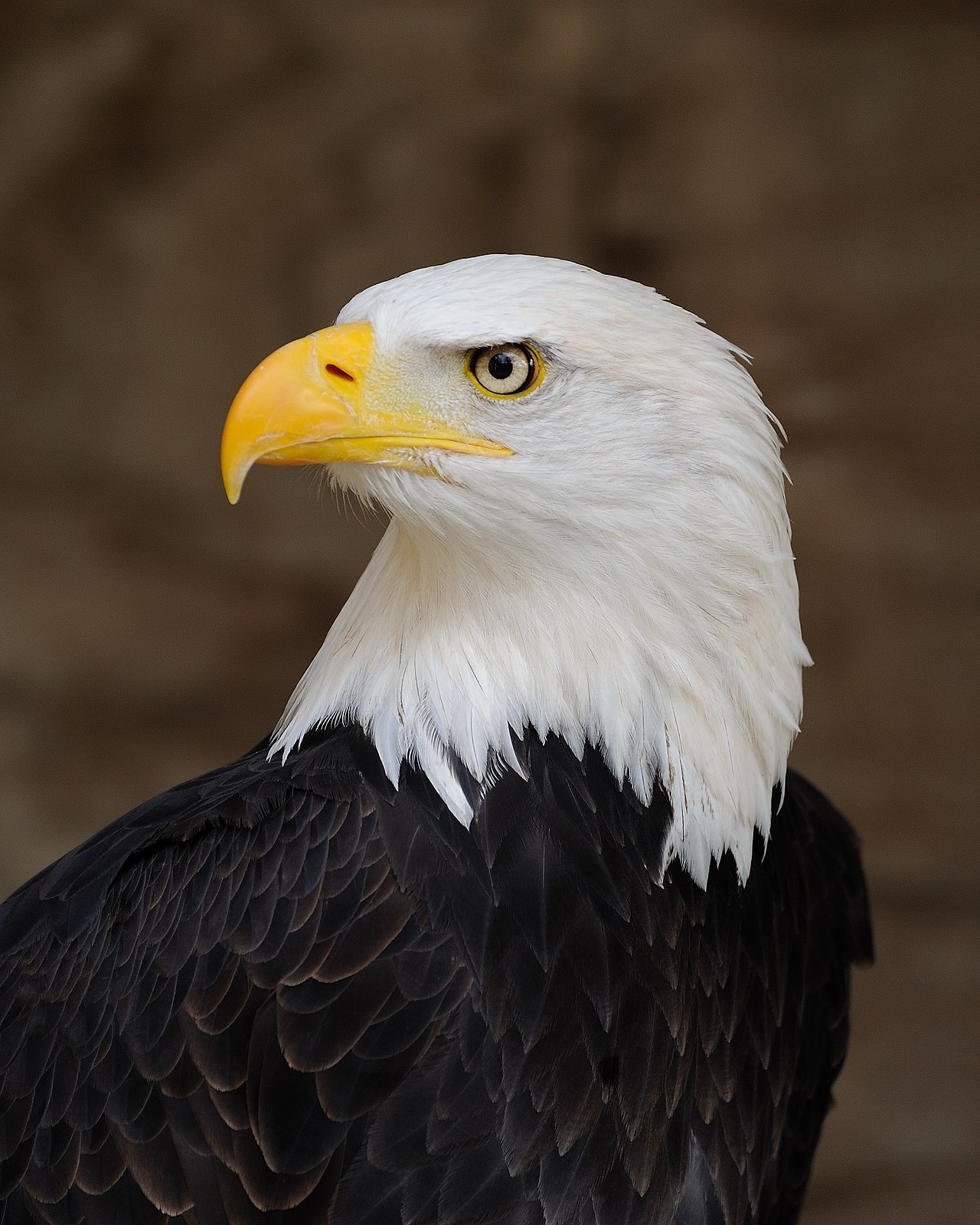
Best Lightweight Fixed Prime: Canon RF 600mm f/11 IS STM
The Canon RF 600mm f/11 IS STM is one of the most unusual lenses in this roundup, and one of the most accessible. At roughly $700 and just 930g, it makes 600mm reach available to photographers who would never consider a multi-thousand-dollar super-telephoto.
The fixed f/11 aperture sounds limiting, and it is. You need bright light to get clean shots, and background blur at f/11 is minimal compared to faster lenses. But in good conditions, the image quality is surprisingly solid, and the 5-stop IS system helps compensate for the slow aperture.
The collapsible design retracts to just 7.6 inches, making it easy to toss in a bag alongside a standard zoom. It is also the most affordable way to get 600mm reach on a Canon RF body.
Who it is for: Budget-conscious Canon shooters, travelers who want 600mm reach in a tiny package, and beginners exploring wildlife photography without a major investment.
Comparison Table
| Lens | Focal Length | Max Aperture | Weight | Price | Best For |
|---|---|---|---|---|---|
| Sony FE 200-600 G | 200-600mm | f/5.6-6.3 | 2,115g | ~$2,000 | Best overall |
| Canon RF 200-800 | 200-800mm | f/6.3-9 | 2,050g | ~$1,900 | Maximum reach |
| Nikon Z 180-600 | 180-600mm | f/5.6-6.3 | 1,955g | ~$1,700 | Best value |
| Tamron 150-500 VXD | 150-500mm | f/5-6.7 | 1,725g | ~$1,400 | Compact hiking |
| Sigma 150-600 Sport DN | 150-600mm | f/5-6.3 | 2,100g | ~$1,500 | Tough conditions |
| Canon RF 600 f/11 | 600mm | f/11 | 930g | ~$700 | Budget entry |
Teleconverters: Extending Your Reach
If you already own one of the lenses above and need more reach, a 1.4x teleconverter adds 40% more focal length at the cost of one stop of light. A 2x teleconverter doubles your focal length but costs two stops.
For wildlife, 1.4x converters are generally the better choice. The one-stop light loss is manageable, and autofocus performance stays strong. With a 2x converter, autofocus can slow down noticeably, and the effective aperture (f/11 to f/13 on most of these lenses) pushes you into territory where diffraction softens fine detail.
Each brand makes its own teleconverters that are optically matched to their lenses. Sony's 1.4x converter pairs beautifully with the 200-600G. Nikon's Z TC-1.4x works well with the 180-600. Canon's RF 1.4x extends the 200-800 to a remarkable 1120mm.
Third-party lenses from Sigma and Tamron generally do not support teleconverters, so plan your focal length needs accordingly.
Tips for Getting Sharp Wildlife Photos with a Telephoto
Owning a great lens is only half the equation. Here are practical tips that will help you get the most out of your telephoto in the field.
Use a gimbal head for long lenses. Any lens over 1,500g benefits enormously from a gimbal head on a sturdy tripod. A gimbal lets you pan and tilt smoothly while the lens stays perfectly balanced, which is essential for tracking birds in flight.
Set your minimum shutter speed. A good rule of thumb is 1/focal length as your minimum shutter speed, though for birds in flight you want at least 1/2000s. Enable auto ISO and set a minimum shutter speed in your camera to automate this.
Use continuous autofocus with animal detection. Modern cameras from Sony, Canon, and Nikon all offer AI-based animal and bird eye detection. Enable it and let the camera do the tracking. It is remarkably accurate in 2026.
Shoot in bursts. Wildlife moments are fleeting. Use your camera's high-speed continuous drive to capture bursts of 10-30 frames per second. You can always delete the misses later.
Know your subject's behavior. No amount of gear compensates for not knowing where to point it. Study your subjects, learn their habits, and position yourself where the action will happen.
You can check the EXIF data of any wildlife photo to see exactly what settings the photographer used. Upload a photo to ExifGrabber and look at the focal length, shutter speed, and ISO to learn from the shots you admire.
Final Recommendations
For most wildlife photographers in 2026, the Nikon Z 180-600mm offers the best combination of reach, image quality, and value. If you shoot Sony, the 200-600 G is the obvious pick. Canon shooters should seriously consider the RF 200-800mm if they prioritize reach, or the RF 600mm f/11 if budget is the primary concern.
Third-party options from Tamron and Sigma are excellent choices if you want to save money or need a lighter, more portable setup. The Tamron 150-500mm in particular is a standout for its compact size and fast autofocus.
Whatever lens you choose, get out and shoot. The best wildlife lens is the one you have with you when the moment happens.